Blog
What a bakery listing has to say before anyone walks in
Shopfront name, bakery as the category, hours that are true tonight, a phone in the shop. The card Maps shows before the queue.

Reviewed 30 May 202610 min read
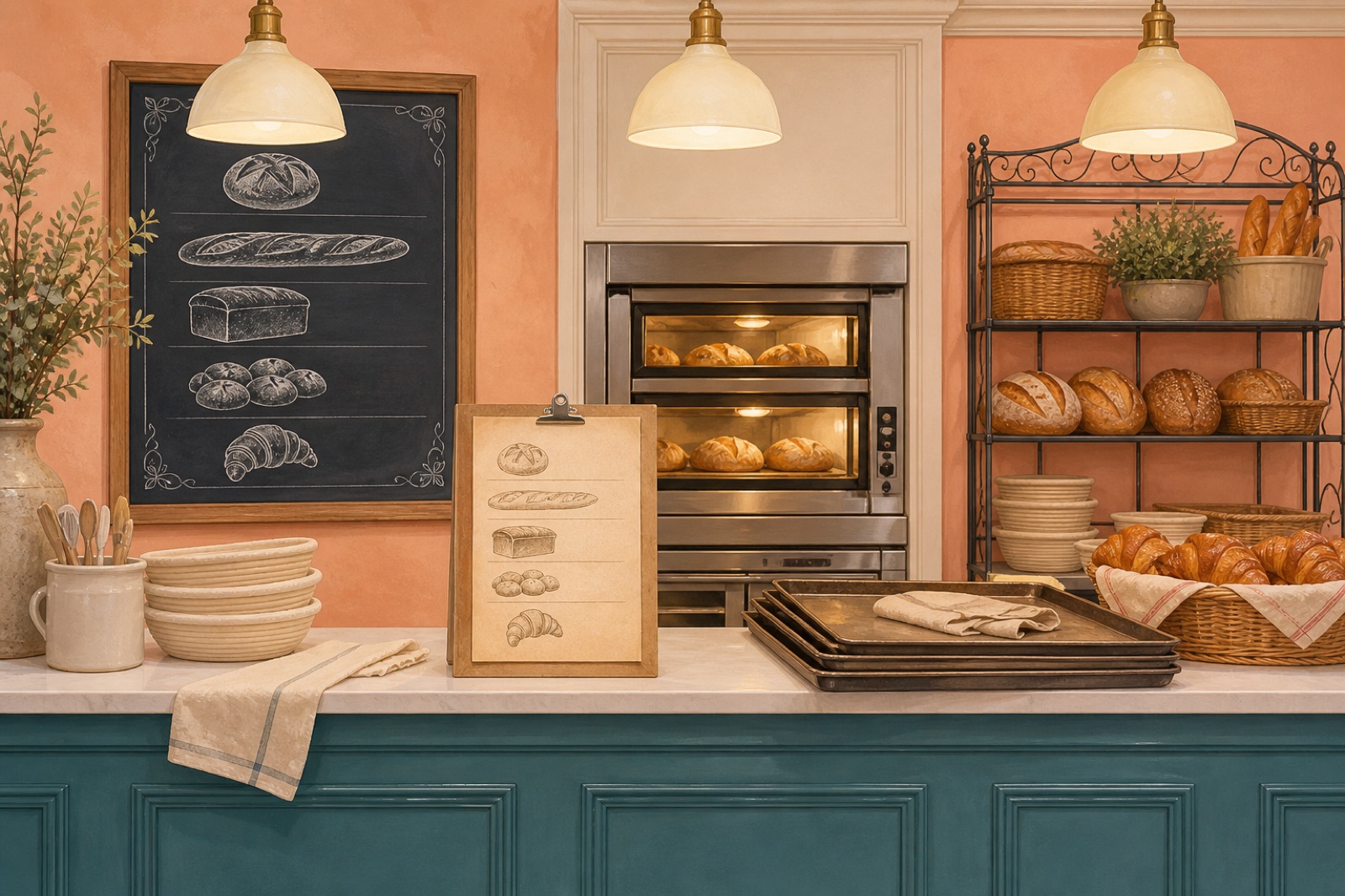
The listing is the window for people who are not on your street yet. They do not see the tray. They see a name, a category, a star rating, today’s hours, and two photographs. If those five things are wrong, they walk into the other shop. Completing the card is not a strategy. It is the minimum Google asks before it will treat you as the bakery you are.
Screenshot pending: local-seo
Run pnpm screens with the app's local stack up to capture it. Business information for a bakery in Artifluence.
The name and the category, nothing extra in the title
The name on the listing is the name on the shopfront. If the enamel says “Boulangerie Martin”, the listing does not say “Martin Bakery Artisan — bread, pastry, sandwiches, coffee, gluten-free, since 1987”. Google’s representation guidelines are written against catalogues in the title. Keywords in the name get edited back, or the profile gets suspended. The shopfront is enough.
Primary category: bakery. That is the job. Pastry shop as secondary if you take cakes and the window shows them. Sandwich shop only if that is a real line, not because you sell two baguettes with ham. Google matches searches to categories more than to a paragraph of words in the description. A catalogue of services in the title is how listings get pulled.
The description is for the person who already opened the profile. Two or three sentences: who bakes, what is in the window, when you close if that is earlier than the neighbour. Not a list of every flour you have used since 2014. Not “best bakery in town”. Google did not ask for a slogan.
Attributes: only what is true this year. Wheelchair access if the door allows it. Outdoor seating if there is a bench you own. Do not tick what a franchise pack ticked for a shop that is not yours.
Hours, phone, the address people can walk to
Hours on the listing are the hours the door is open, including the evening the bread runs out. Google’s edit-profile page gives you regular hours, special hours, and today’s hours. Use them. Monday closed is a fact, not a surprise. Sunday morning only is a fact. 15 August is a fact you set in June. The longer calendar is hours, holidays, seasons.
A bakery is a shopfront. Put the address. Hide it only if nobody can walk in — that is not your case. The name, address and phone have to match the directories, the window, and any page you have. If PagesJaunes still has the old mobile and Google has the landline, Google will eventually build a second card from the web. Then you spend a month merging.
The phone is a number that rings in the shop, or in the pocket of the person who can say whether the Saint-Honoré is still there. Not a call centre. Not a number you stopped paying for in 2023. If you do not answer after 13:00, the voicemail should say so. A listing that offers “Call” and then dies is a review waiting to happen.
What the profile has to show before the queue
Photographs of this bakehouse. The window in daylight, the interior, a face, the work. Not a stock baguette. Not the neighbour’s terrace cropped tight. The photo rules and the representation rules meet: it has to be your business. The dedicated piece is photos on the listing; the bakery version is pictures taken before the queue.
Reviews, replied to. A link if you have a page for Saturday cakes; the listing works without one. Whether you still need a site is the honest article. For most morning trade, Maps is the page.
Products and the price list, if you will keep them true. A croissant at last year’s price is worse than no price. Menus on Google are useful when someone is deciding between you and the shop with a photograph of this morning. They are harmful when they are a year out.
What Artifluence keeps straight
The listing editor is built for this: category, hours, the description, the photographs. It does not invent a second brand for a chain you are not on. It does not write “artisan since always” into the title.
We have a real baker’s quote on the bakers page. The listing itself stays yours. We do not paste that sentence here to make the card look like a case study.
The report is how you see what Maps already knows — name, hours, the shops next door — before you change anything. It publishes nothing.
The six o’clock search is a different article: found at six. This one is the card those people open. If the card is wrong, the walk never starts.
A complete listing is still a listing you look at once a week. Hours drift. A number dies. A photograph from 2019 becomes the cover because nobody replaced it. The cadence is the checklist. You do the once — name, category, the address. The product can carry the week. We will not tell you the card “ranks you first”. We will tell you an incomplete card is how Google builds a second one from PagesJaunes and the old mobile.
Sources
- Guidelines for representing your business on Google (accessed 7 September 2026)
- Manage your business category (accessed 7 September 2026)
- Edit your Business Profile (accessed 7 September 2026)